
African adventure was an incredible experience for RVN Nicky
- amandalittle2
- Oct 17, 2025
- 6 min read
VETS and RVNs can now apply for the latest round of funding from VetPartners to undertake clinical work with animal charities across the world.
Through our overseas volunteering fund, colleagues have the opportunity to support worthy causes while boosting their clinical skills by working often in the most challenging conditions.
Nicky Weitendorf, Senior Veterinary Nurse at EC Straiton Vets, swapped Stafford for a week volunteering with Maun Animal Welfare Society (MAWS) in Botswana in her native Africa.
It was an incredible experience she will never forget, as she reveals here….
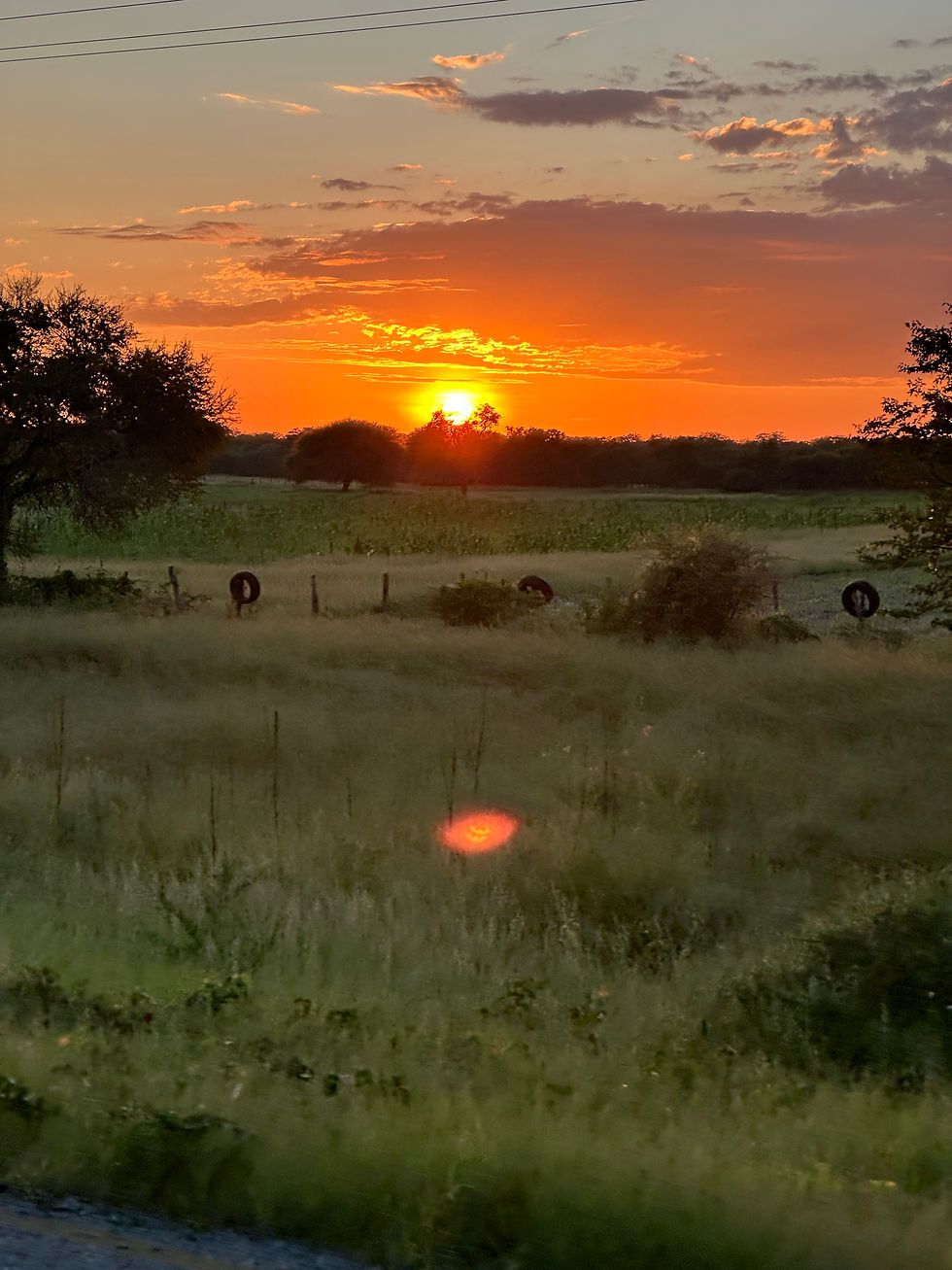
AS the African sun set on her visit to Botswana, veterinary nurse Nicky Weitendorf gazed out of her safari lodge across the vast, wild plains and reflected on one of the most rewarding experiences of her life.
Nicky volunteered as a veterinary nurse in Botswana where she saw first-hand the challenging conditions and the unique challenges of working for a charity dedicated to improving the welfare and care of the country’s cats and dogs.
Her trip was funded with a VetPartners’ overseas volunteering grant of £1,500. As well as a grant, VetPartners provides one-week’s paid leave for vets and RVNs to volunteer overseas.
Receiving the funding was a dream come true for Nicky, who started her career in wildlife conservation and management roles in South Africa, before moving to the UK and completing her veterinary nursing training. Since joining EC Straiton Vets in 2017, she has completed further qualifications in wildlife conservation and animal behaviour and an advanced programme in wildlife and avian veterinary nursing.
The trip to Botswana was a perfect chance to share her skills with those in need of her help.
Working in a small clinic in a rural area of Botswana run by the charity Maun Animal Welfare Society (MAWS), with no modern equipment and only basic facilities, she helped with general nursing, operations and their sterilisation programme.
The clinic has an area for prepping patients and a large table set up on large barrels for operations, with bricks provided for shorter team members to stand on.
The majority of dogs in Botswana have Ehrlichia, Distemper, Parvovirus or Rabies, and there is a high risk of them being killed or seriously injured in road accidents because they are allowed to roam in the streets.

“My days at the clinic were really good and I left each day with a feeling of happiness and pride knowing I had helped many patients and was helping to continue the good work undertaken by MAWS,” said Nicky, pictured right.
“The whole experience was very rewarding, humbling and an amazing opportunity that allowed me to gain invaluable hands-on experience while contributing to animal welfare in an area of rural Botswana where veterinary care is limited.
“When I arrived, I was taken to my accommodation at Island Safari Lodge, by Carmen, who oversees MAWS’ clinic and management, and her husband Charlie. She is supported by a wonderful committee that are incredibly involved in outreach and fundraising. Under the hot African sun, Carmen discussed the plans for the next two weeks and how I would be involved.”
Nicky’s daily commute to work was along a dirt road through a nature reserve, with amazing sightings of wildlife, including impala, springbok, vervet monkeys and antelopes.
Nicky said: “The clinic has basic equipment and outdoor kennels for dogs and cats that need rehoming. I was very fortunate to work alongside an experienced volunteer vet, Mariette, who spends time in the UK and also lives for about three months a year in Botswana.
“After our introduction of the clinic protocols for anaesthetics and treatments, we started with our inpatients and treatments, and then it was time for surgery. When MAWS has vets and nurses, they book as many sterilisations in as possible and other operations that are necessary. Most days, we would average about 10 operations, various treatments of patients that arrived at the clinic and pets needing vaccinations.

“The clinic relies on donations from around the world. Medication is what they can acquire at the time including anaesthetic drug protocols.
“There are no anaesthetic machines, and the protocols are put in place by the local private vet. Patients are given a high dose of medetomidine and butorphanol intramuscular. The dose works very well and once injected, patients are left to just roam around the clinic or outside until it takes effect.
“The surgical site is prepped with normal green washing liquid and shaved with what I would describe as an old man’s razor blade, followed up by surgical Chlorhexidine scrub.
The surgical kits are often reused for patients, but there is a sterile pot to place used kit in for in-between sterilisation. As there are no anaesthetic machines, the patients are kept under anaesthetic by topping up with propofol.
“MAWS have standard protocols but always happy to have input, but volunteers need to realise this is what works for a charity organisation such as MAWS and need to work alongside them.
“The majority of dogs and cats visiting Maws belong to owners. When driving around Botswana you will notice dogs just roaming around even though they are owned.”
Nicky added: “During my visit, two patients were admitted after road traffic accidents, and we had to perform front leg amputations. Discussing leg amputation with the owners is quite challenging. We had to introduce a owner to one of the resident three-legged dogs, to show him how happy she was and how well she coped, before he made the decision for his dog to have an amputation. These are some of the difficult challenges of working in the rural areas as their concept of pets are different from what many of us are used to.”
MAWS undertakes outreach work, providing veterinary care in rural areas where local residents usually cannot access help for their animals.
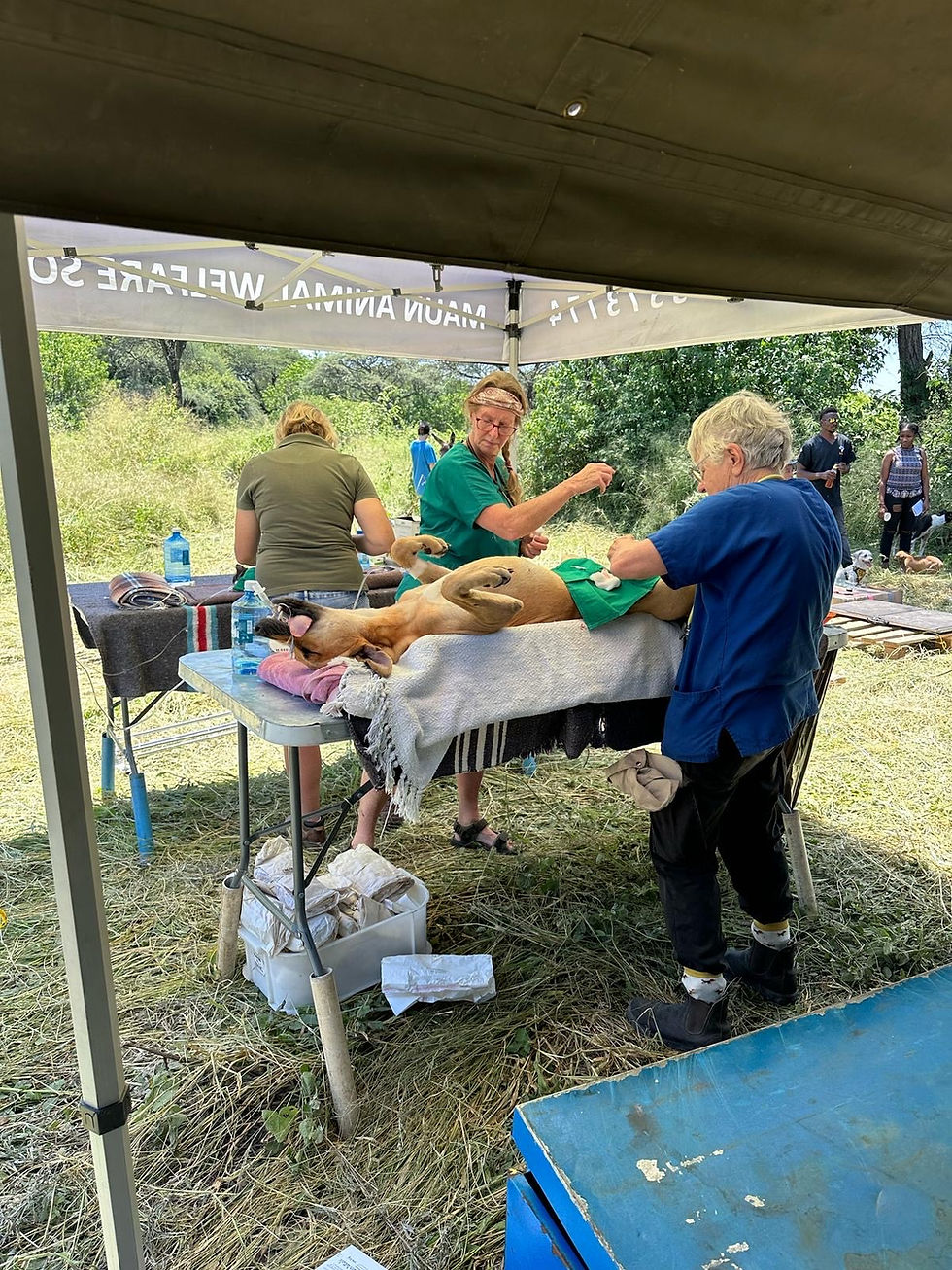
Nicky said: “We drove about 10km outside of Maun to a remote area of Bushveld, a sub-tropical woodland ecoregion of South Africa, where an area of long grass was cleared and gazebos were set up for the outdoor sterilisation campaign. Under the hot sun, MAWS committee members and other organisations that provide sponsorship, arrived to assist.
“Steel trestle tables placed on bricks were used for the surgical tables. Recovery was a large tarpaulin sheet placed under the gazebo.
“Everyone had their allocated jobs to perform, and at 9am, the first pets started to arrive with their owners where they would wait under the shade of the trees until they were called for their dog or cat to be prepped for surgery.
“Outreaches are important for these owners as many animals are treated that would otherwise not have any access to veterinary care and sterilisation. The outreach also included treatment of the horses and donkeys.
“A local farrier assessed their hooves, and the vets would give them all a good check over and treat as necessary. Tack was changed if necessary as Maws receive a lot of donations of tack and other equipment.
“The two vets and I sterilised, treated and vaccinated 19 dogs and cats. Approximately 20 horses and donkeys were also seen to that day.”
Nicky returned to the UK feeling enriched by her experience of volunteering in Botswana and would heartily recommend volunteering to undertake clinical work overseas to her VetPartners colleagues.

“Working in an environment where there are no anaesthetic machines or modern equipment, allows you to go back to basic veterinary care and realise that anything is possible,” she said.
“As I had worked at the community veterinary clinic in South Africa during my early career, working at MAWS was like stepping back into that part of my life.
"I felt totally relaxed and comfortable working alongside the staff and once again I was able to give back my time and experience to the community.
“I met wonderful people and have made good friends so hope to return soon. MAWS would love to have vets and nurses volunteer to help the assist animals in need.”
Vets and RVNs who have worked for VetPartners for at least 12 months can apply for a grant to volunteer overseas. The current funding window is open until October 29th. Full details of the scheme and how to apply can be found here:
Ireland (NI and ROI): https://www.myvetpartners.ie/terms-and-conditions
Article by Amanda Little, VetPartners PR and Communications Director. Contact amanda.little@vetpartners.co.uk


Comments